
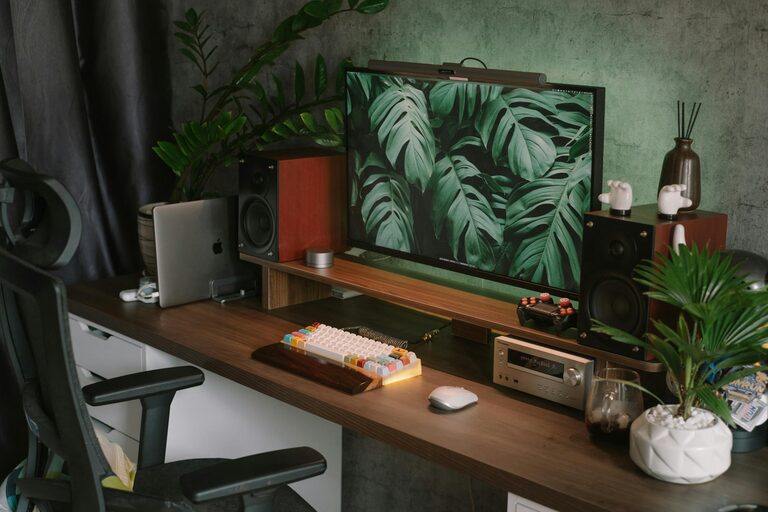
Creating a cozy and inviting home workspace can make a big difference in how you feel about working from home. When your workspace feels comfortable and personalized, it’s easier to stay focused, motivated, and productive. Whether you have a full room or just a small corner, the right setup can turn any spot into a pleasant place to work.
In this post, we’ll explore practical tips to help you design a home workspace that’s both cozy and efficient.
1. Choose the Right Spot
Finding the ideal location is the first step to creating your perfect workspace.
– Natural light: Aim for a spot near a window if possible. Natural light not only improves mood but also reduces eye strain.
– Quiet environment: Pick an area with minimal distractions and noise.
– Space for essentials: Make sure there’s enough room for your desk, chair, and any equipment you need.
Even a small nook with good lighting and a comfortable chair can serve as a productive work area.
2. Invest in Comfortable Furniture
Comfort plays a key role in staying focused.
– Ergonomic chair: A chair that supports your back and encourages good posture will help prevent discomfort during long work hours.
– Desk at the right height: Your desk should allow your arms to rest comfortably while typing.
– Adjustable furniture: Consider desks or chairs with adjustable heights for flexible comfort.
A cozy workspace means you feel good sitting in it, making work less tiring.
3. Personalize Your Workspace
Adding personal touches can make your workspace feel welcoming and uniquely yours.
– Decorate with plants: Indoor plants introduce a calming natural element and can improve air quality.
– Use artwork or photos: Hang inspiring pictures or family photos to create a positive atmosphere.
– Add cozy textiles: A soft rug, cushions on your chair, or a throw blanket can add warmth and comfort.
Personal items help your workspace feel inviting rather than sterile or purely functional.
4. Organize Efficiently
Keeping your workspace organized reduces stress and helps you find what you need quickly.
– Use storage solutions: Drawers, shelves, or baskets can keep papers and tools tidy.
– Keep only essentials on the desk: A clutter-free desktop helps maintain focus and keeps the area visually calm.
– Cable management: Use clips or cable boxes to keep cords neat and avoid tangled wires.
Regularly tidying your space can improve both comfort and productivity.
5. Control Lighting
Proper lighting is essential for both comfort and eye health.
– Layer your lighting: Combine natural light with task lighting like a desk lamp and ambient overhead lighting.
– Choose warm light bulbs: Warm, soft light is easier on the eyes and adds to a cozy atmosphere.
– Avoid glare: Position screens and lighting to minimize reflective glare on monitors.
Good lighting can reduce fatigue and make your workspace more pleasant.
6. Minimize Distractions
An inviting workspace is also one where you can concentrate.
– Use noise-canceling headphones: These can help block out distracting sounds.
– Keep your phone on silent: Or use apps that limit notifications during work hours.
– Set boundaries: If you share your home, communicate your work schedule to others.
A calm environment lets you focus better and enjoy your work time.
7. Add Elements for Wellness
Incorporating wellness touches supports both mental and physical health.
– Keep water nearby: Staying hydrated is important during work hours.
– Take regular breaks: Step away from your desk to stretch or walk to reduce fatigue.
– Include calming scents: Essential oils or candles with mild fragrances like lavender can reduce stress.
Creating a space that cares for your well-being makes work feel less like a chore.
8. Use Technology Wisely
Technology can enhance your workspace comfort.
– Invest in good headphones or speakers: Clear audio improves virtual meetings.
– Adjust screen settings: Reduce eye strain by enabling blue light filters or adjusting brightness.
– Use productivity tools: Apps that organize tasks or track time can help maintain focus.
A smooth tech setup helps prevent frustration and supports efficient work.
—
Final Thoughts
A cozy and inviting home workspace doesn’t require a large budget or lot of space—just thoughtful choices that make you feel comfortable and motivated each day. By focusing on comfort, personalization, organization, and good lighting, you can create a work environment that supports your productivity and well-being.
Take your time to experiment and adjust your space until it feels just right. Remember, a happy workspace often leads to happier workdays!